Lost Chapters
Runes & Ravens Release Date: December 1, 2026, and Everything We Know
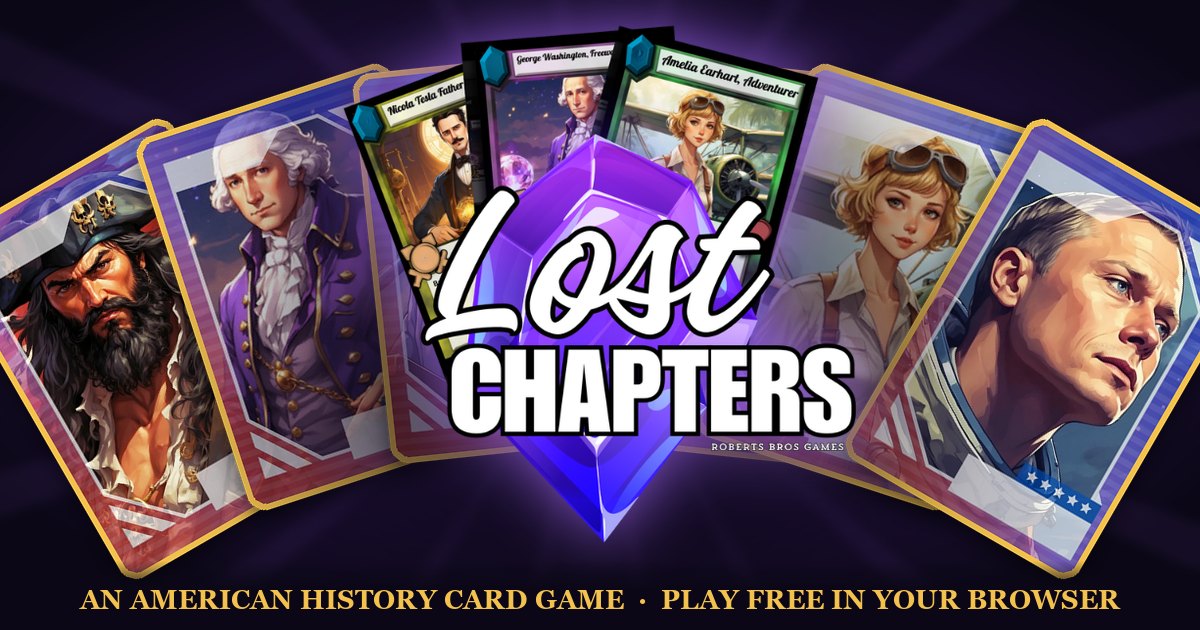
Short answer: Runes & Ravens, the next drop for Lost Chapters, releases on Tuesday, December 1, 2026, at 9:00 AM Eastern. It has a Norse theme, and it arrives in the same free game you can already play in your browser. Details and cards will be revealed officially between now and launch, and we will update this post as they are.
The Runes & Ravens release date is the question we get most, so here it is in one place: the date, what we have confirmed, what we have not, and a short, sourced primer on the real history behind runes and ravens so you can show up on launch day knowing your futhark from your fjords.
Why February? We first said November 3, 2026. We moved Runes & Ravens to the first Tuesday of February so our first set gets a full season of its own. The Founder's Season runs until November 5, 2026, Season 1, Liberty & Lightning, officially begins that day, and Runes & Ravens opens the season after it, with the Arcade 2v2 team mode arriving alongside.
Beta available now: signed-in playtesters and admins can play Runes & Ravens early. Other accounts continue with Liberty & Lightning until the public release on December 1, 2026 at 9:00 AM Eastern.
Runes & Ravens release date and what is confirmed
| Name | Runes & Ravens |
| Release date | Tuesday, December 1, 2026, 9:00 AM Eastern |
| Before that | Founder's Season until November 5, 2026, then Season 1, Liberty & Lightning |
| Theme | Norse |
| Price to play | Free, like the rest of Lost Chapters |
| Where | In your browser at lostchapters.org/play, on desktop or phone |
That is everything we are announcing today. We know you want more, and more is coming. Until a card is revealed officially, though, please treat anything you see elsewhere as a rumor.
What we are not sharing yet
We are not revealing any Runes & Ravens cards, art or mechanics in this post. Card reveals will come through our official channels in the run-up to February 2, and this post will link to each one as it goes live. If you see a "leaked" card list before then, it did not come from us.
Why a Norse theme?
Our first set is all about American history: inventors, thinkers, explorers, rebels and founders. The story of Lost Chapters was always meant to travel, and the Norse world is a natural next stop. It has some of the most famous objects and stories in history, it already lives in the imagination of almost every fantasy and strategy fan, and the line between what really happened and what the sagas say makes it a perfect fit for a game that labels history and legend separately.
That last point matters to us. On this blog, history gets a Real history label and sources. The game's invented story gets an In the game label. Norse history and Norse mythology are two different things, and we will keep them apart.
Real history: what were runes?
Runes were the letters of the writing system used in Scandinavia long before and during the Viking Age. The Swedish History Museum says runes began to be used in the first centuries after the birth of Christ.
- The name. The runic alphabet is called the futhark, after its first six letters, according to the Swedish History Museum.
- Two main versions. The Swedish History Museum says the alphabet originally had 24 characters, but by the Viking Age it had been simplified to just 16.
- How old. The oldest surviving runic inscriptions mostly date from the 3rd and 4th centuries AD.
Runes were not written on paper. The museum says they were carved into materials such as wood, stone and horn, and onto everyday belongings like combs and weapons. The most famous runes are on standing stones: about 2,500 runestones have been found in Sweden alone, and their texts are often memorials for people who had died, written by their relatives. In other words, runes were mainly writing, used by ordinary families to remember each other.
Real history: why ravens?
Ravens are everywhere in Norse culture, and the most famous pair belongs to the god Odin. A University of Victoria Norse image project describes them simply: Odin sends his two ravens out in the morning to gather news and whisper it into his ear when they come back. Their names are Huginn, meaning "thought," and Muninn, meaning "memory."
Here is the important distinction: Odin and his ravens belong to mythology. They are part of the stories Norse people told, not events that happened. Runes, runestones and Viking voyages belong to history, and you can visit the evidence in museums today.
Real history: the Viking Age in three dates
- 793: Vikings raid the monastery at Lindisfarne, off the coast of northern England, an event English Heritage dates to June 8, 793. It is often used as the start of the Viking Age.
- About 1021: Norse people are cutting wood at L'Anse aux Meadows in Newfoundland, Canada. A study published in 2021 by a team from the University of Groningen dated wood cut with metal blades at the site to the year 1021. Parks Canada says Norse sailors from Greenland built a camp there more than 1,000 years ago, and UNESCO named it a World Heritage Site in 1978.
- The 1000s: The Viking Age winds down. Historians and museums use slightly different dates for it; the Swedish History Museum, for example, labels Viking Age objects as dating from about 800 to 1100.
That 1021 date is a lovely bridge for us: Norse explorers reached North America almost five centuries before Columbus, which ties our Norse drop back to the Frontier and Explorers of our first set.
How to get ready for February 2
You do not need to wait to start playing. Here is how to be ready on launch day:
- Learn the basics now. Our How to Play page covers turns, combat and keywords, and the First Chapter in the game teaches them in four short battles.
- Build your collection. Your Set 1 cards stay yours. Gold from matches, challenges and the season pass keeps building your collection.
- Try every Leader. Each historical Leader plays differently, from Nikola Tesla and his Tinker engine to George Washington and his army that moves as one.
- Try Draft. Draft mode is live now and is a great way to practice evaluating cards you have never seen, which is exactly the skill you will need when new cards arrive.
Frequently asked questions
When does Runes & Ravens come out? Tuesday, December 1, 2026, at 9:00 AM Eastern.
Wasn't it November 3? That was the first date we announced. It was later scheduled for February 2, 2027. The current public release is December 1, 2026 at 9:00 AM Eastern; playtesters and admins can try the beta now.
Is Runes & Ravens free? Lost Chapters is free to play, and Runes & Ravens arrives in the same free game.
Do I need to download anything? No. Lost Chapters runs in any modern browser on desktop or phone. You can also install it like an app from your browser if you prefer.
Will Runes & Ravens replace the American history cards? No. Our first set stays in the game, and your collection stays yours.
Where will card reveals appear? On our official channels and here on the Lost Chapters blog. We will link every official reveal from this post.
See you on February 2
Mark the date, and in the meantime, come play. Lost Chapters is free in your browser, and play before November 5 to keep the Founder badge for good. That leaves the Founder's Season and all of Season 1 to master the first set before the ravens arrive.
Sources
- Runes, Swedish History Museum
- The First Runes, Swedish History Museum
- Huginn, MyNDIR (My Norse Digital Image Repository), University of Victoria
- The Viking Raid on Lindisfarne, English Heritage
- L'Anse aux Meadows National Historic Site, Parks Canada
- Europeans in the Americas 1,000 years ago, University of Groningen